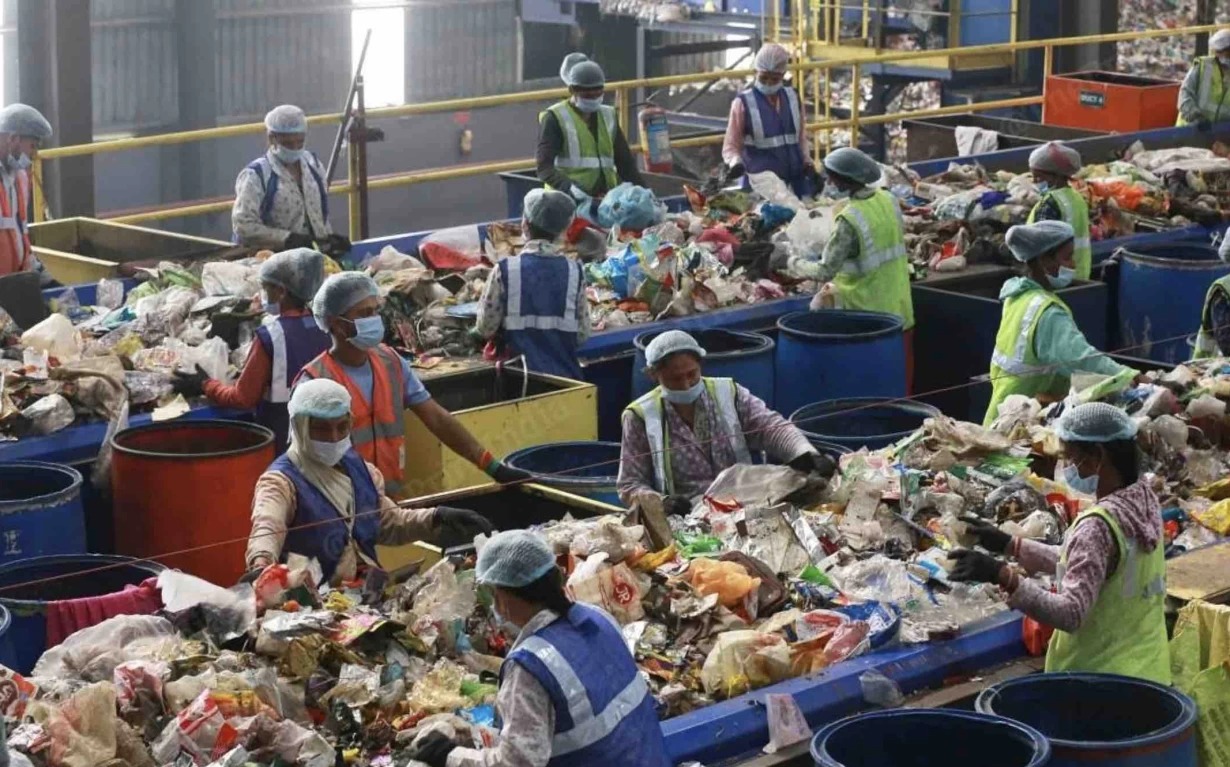
Waste management
Domestic waste management is the collection, transportation, processing, and disposal of waste generated in homes. It is an important part of environmental protection and public health.
Proper domestic waste management can help to:
- Reduce the amount of waste sent to landfills and incinerators, which can pollute the air and water.
- Conserve natural resources, such as trees, water, and minerals.
- Protect human health by reducing exposure to harmful pollutants.
- Create jobs in the recycling and waste management industries. There are many things that individuals can do to improve domestic waste management, including:
- Reduce, reuse, and recycle. This is the 3Rs of waste management, and it is the most effective way to reduce the amount of waste that is generated.
- Dispose of waste properly. This means putting different types of waste in the correct bins, and not littering.
- Support businesses that are committed to sustainability. This includes businesses that recycle, use recycled materials, and reduce their environmental impact.
Domestic waste management is an important part of creating a healthy and sustainable environment. By following these simple tips, we can all help to make a difference. Here are some specific actions that you can take to improve domestic waste management for your own well-being:
- Segregate your waste at source. This means putting different types of waste, such as organic waste, recyclable waste, and hazardous waste, in separate bins. This will make it easier for the waste to be recycled or disposed of properly.
- Compost your organic waste. This is a great way to reduce the amount of waste that goes to landfills. You can compost food scraps, yard waste, and other organic materials in your own backyard or in a community composting program.
- Reuse items whenever possible. This could mean using cloth napkins instead of paper napkins, or repurposing old clothing into new items. Reusing items helps to reduce the amount of waste that is generated.
- Recycle materials whenever possible. This helps to conserve natural resources and reduce pollution. You can recycle paper, plastic, metal, glass, and electronics.
- Support businesses that are committed to sustainability. This means choosing businesses that recycle, use recycled materials, and reduce their environmental impact. When you support these businesses, you are helping to create a more sustainable future.
By taking these simple steps, you can help to improve domestic waste management for your own well-being and for the environment.
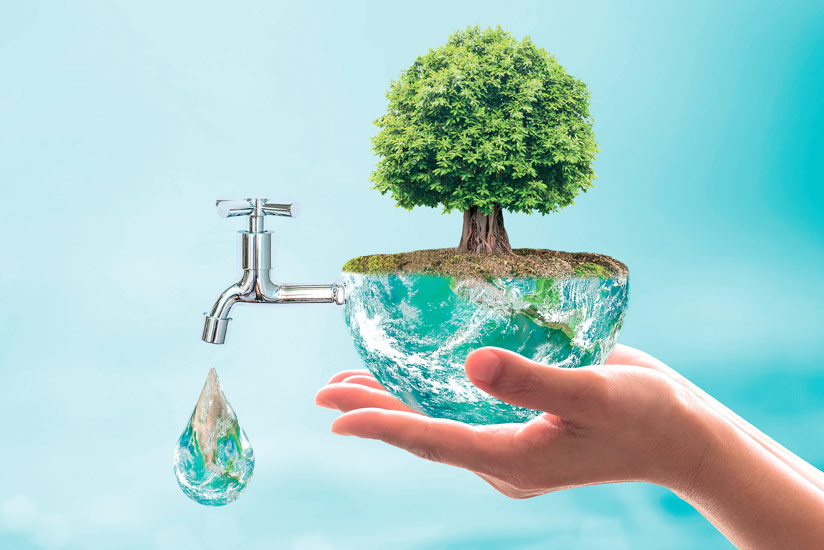
Environment and water conservation for future
Water conservation is essential for ensuring a clean and healthy future for our planet. With the ever-increasing pressure on freshwater resources due to population growth and climate change, it is more important than ever to adopt sustainable water practices
There are many ways to conserve water at home, in the workplace, and in our communities. Some simple tips include:
- Fixing leaks: Even small leaks can waste a lot of water over time. Check your faucets, pipes, and appliances regularly for leaks and fix them promptly.
- Using low-flow appliances: Low-flow appliances use less water than traditional appliances, without sacrificing performance. When you're shopping for new appliances, look for the WaterSense label, which indicates that the appliance meets water conservation standards.
- Conserving water in the garden: : There are many ways to conserve water in your garden, such as planting drought-tolerant plants, using drip irrigation, and mulching.
- Harvesting rainwater: :Rainwater harvesting is a great way to collect and store rainwater for later use. This can help to reduce your reliance on municipal water supplies.
In addition to these individual actions, there are also larger-scale water conservation initiatives that can be implemented. These include:
Investing in water treatment and purification technologies: These technologies can help to improve the quality of our water supplies, making them more sustainable for future use.
- Developing new water sources:This could include desalination of seawater or the use of recycled wastewater.
- Changing our attitudes towards water:We need to start thinking about water as a precious resource that needs to be conserved. We can do this by raising awareness of the importance of water conservation and by making water conservation a priority in our everyday lives.
- By taking these steps, we can help to ensure that there is enough water for future generations. We can also help to protect our environment and create a more sustainable future for all.
Here are some additional thoughts on the future of water conservation:
As climate change continues to impact our planet, water scarcity will become an even more pressing issue. We need to develop new and innovative ways to conserve water and ensure that everyone has access to clean water.
Technology will play a key role in the future of water conservation. New technologies, such as rainwater harvesting and desalination, can help us to make better use of our water resources.
Education and awareness will also be essential for the future of water conservation. We need to teach people about the importance of water conservation and how they can make a difference.
Together, we can create a future where everyone has access to clean water and where our water resources are used sustainably.
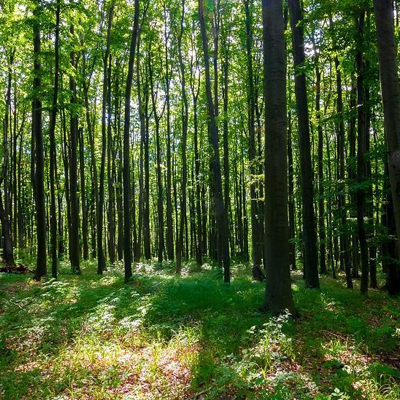
Nature conservation for Forest management
Nature conservation is the practice of protecting and preserving natural resources, such as forests, wildlife, and water bodies. It is important for a number of reasons, including:
- To protect biodiversity: : Forests are home to a wide variety of plants and animals, many of which are only found in these ecosystems. By conserving forests, we can help to protect these species and ensure that they continue to thrive.
- To provide ecosystem services: Forests provide a number of important ecosystem services, such as clean air and water, flood control, and climate regulation. By conserving forests, we can help to ensure that these services continue to be available to us.
- To promote sustainable development : Forests can provide a number of economic benefits, such as timber, food, and tourism. By conserving forests, we can help to ensure that these benefits are available to future generations in a sustainable way.
Forest management is the practice of managing forests for a variety of purposes, including timber production, wildlife conservation, and recreation. When forest management is done in a sustainable way, it can help to conserve nature and provide a number of benefits to society.
There are a number of ways to integrate nature conservation into forest management. Some of these methods include:
- Creating protected areas: Protected areas are areas of land that are set aside for conservation purposes. They can include national parks, nature reserves, and wildlife sanctuaries.
- Using sustainable forestry practices: Sustainable forestry practices are methods of forestry that are designed to protect the environment and ensure that forests can be used for future generations. These practices include selective harvesting, replanting, and maintaining forest health.
- Working with local communities:Local communities can play an important role in forest conservation. They can help to monitor forests, report illegal activities, and promote sustainable practices.
By integrating nature conservation into forest management, we can help to protect our forests and ensure that they continue to provide a wide range of benefits to society.
Here are some additional thoughts on the importance of nature conservation in forest management:
Nature conservation is essential for ensuring the long-term sustainability of forests.
Nature conservation can help to protect forests from a variety of threats, such as deforestation, pollution, and climate change.
Nature conservation can help to ensure that forests continue to provide a wide range of benefits to society, such as clean air and water, flood control, and wildlife habitat.
We need to work together to conserve nature in our forests. By doing so, we can ensure that these valuable ecosystems continue to thrive for generations to come.
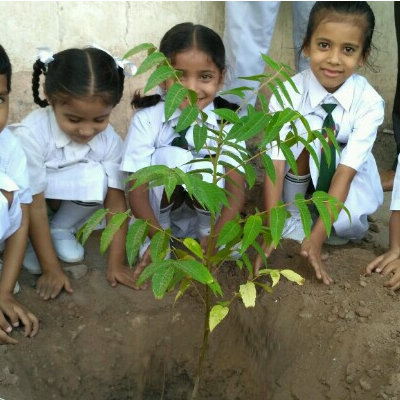
Tree plantation
Trees are very important, valuable and necessary to our existence as they have furnished us with two important life essentials; food and oxygen. Apart from basically keeping us alive, there are many other little and big benefits we get from trees. So, trees are vital resources for the survival of all living beings. Therefore, Governments world over and many Organizations are taking steps to prevent deforestation and to tell the benefits of planting trees. Let us go through some important points about the Importance of trees for the existence of human life
Oxygen and Global Warming
Trees intakes Carbon dioxide from air and breathe out fresh oxygen for our life support. This cycle is made by nature to sustain other living beings. Further, the Carbon dioxide breathed in by the trees is one of the greenhouse gases. This and other greenhouse gases, when released into the atmosphere form a layer and trap the heat from the sun. They result in an increase in the atmospheric temperature. This causes global warming. So planting more trees will clean the air will reduce the global warming effect.
Ecosystem
Trees contribute to a rich healthy ecosystem. Animals, insects, birds, and fungi make their home in the trees and make a diverse ecosystem. This balanced environment, in turn, contributes to the betterment of human beings. Trees produce their own food and are found at the bottom of the food chain. They produce their own food through a process called photosynthesis and contribute significantly to the whole ecosystem. Further, trees are a rich source of medicines that are used to heal our diseases in a natural way as done Ayurveda.
Water Balance
Trees receive the rainwater and hold them in the land. This prevents clean water from flowing and getting wasted in drains. Along with it they also act as watersheds and hold the floodwaters for some time before slowly releasing them into the earth and atmosphere. So, they maintain the water base of an area and provides us with a water bed. The root system of the trees is so well made by nature that it holds the soil underground from getting washed away during rain and floods thus prevents landslides and soil erosion. Avenue plantation ( roadsides), individual plantations (Miyawaki), large scale plantations ( Government schemes like Green Tamilnadu Mission).
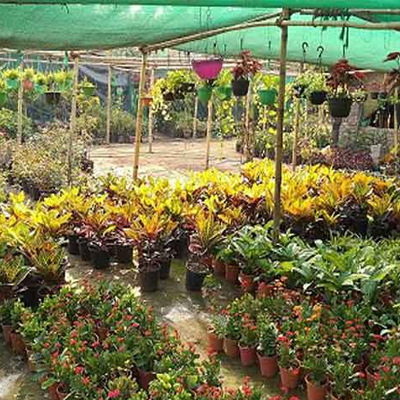
Nursery
Growing of native species for the distribution to general public and whoever needs
Increasing green cover
Increasing the amount of green cover and open spaces can help to combat the effects of climate change. This is achieved by providing natural cooling of air and surfaces, supporting water management in urban areas and capturing carbon dioxide from the atmosphere. This will help to keep our cities and towns resilient and liveable in the future. Awareness programme of increasing green cover Water Conservation Awareness programme on water conservation Awareness on Increasing ground water Providing quality potable drinking water for deprived communities
Climate change

Climate change is the long-term alteration of temperature and typical weather patterns in a place. Climate change could refer to a particular location or the planet as a whole. Climate change may cause weather patterns to be less predictable. These unexpected weather patterns can make it difficult to maintain and grow crops in regions that rely on farming because expected temperature and rainfall levels can no longer be relied on. Climate change has also been connected with other damaging weather events such as more frequent and more intense hurricanes, floods, downpours, and winter storms.
In polar regions, the warming global temperatures associated with climate change have meant ice sheets and glaciers are melting at an accelerated rate from season to season. This contributes to sea levels rising in different regions of the planet. Together with expanding ocean waters due to rising temperatures, the resulting rise in sea level has begun to damage coastlines as a result of increased flooding and erosion. Work towards sustainable development goals Alleviating poverty and sustainable livelihood of communities Work towards green energy and reducing carbon footprint Sustainable agriculture to reduce food print
Education
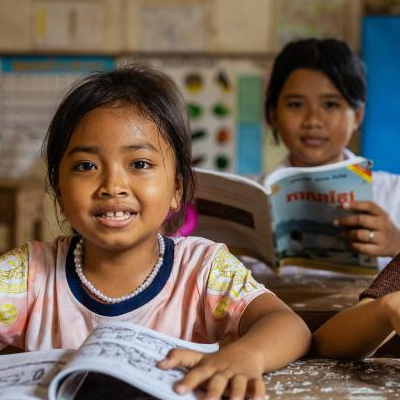
Improving learning outcomes for children and students Life skills awareness training programme Study skills and social skills programme
Women empowerment
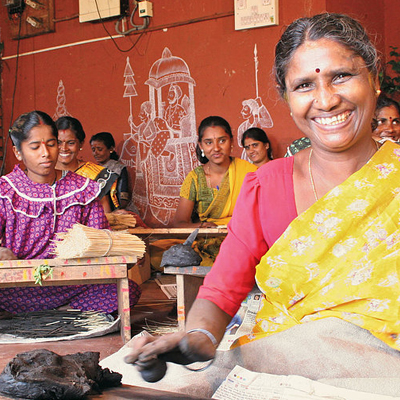
Human Rights or Individual Rights: A woman has the right to express her thoughts and opinions freely, without any restriction. Individual empowerment may be achieved by imparting self-confidence to articulate and assert the power of independent decision making. Women should be aware of their rights and social positions that they are entitled to constitutionally.
Social Empowerment of Women:
The most critical aspect of social empowerment of women is the promotion of gender equality. Gender equality implies that in society women and men enjoy the same opportunities, outcomes, rights and obligations in all spheres of life.
Educational Empowerment of Women:
It means enabling women to grab the knowledge, skills, and self-confidence necessary to participate fully in the development process. Giving preference to the girl child for educational opportunities is a start.
Economic and Occupational Freedom:
It means reducing the financial dependence of women on their male counterparts by making them a significant part of the human resource. A better quality of material life, within the family as well as for the overall society, can be achieved through promotion of sustainable livelihoods like cottage industries, small entrepreneurial efforts owned and managed by women.